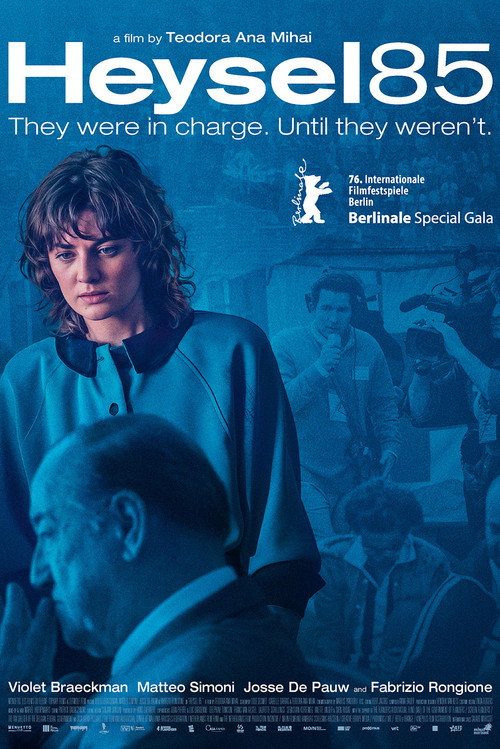
Heysel 85 (2026)
When 39 people are killed prior to the European Cup at the Brussels Heysel stadium in 1985, the mayor's daughter and an Italian journalist are torn between their professional assignments, family, and human nature.
Where to Watch
 Netflix
Watch
Netflix
Watch
 Amazon Prime Video
Watch
Amazon Prime Video
Watch
 Disney Plus
Watch
Disney Plus
Watch
 Max
Watch
Max
Watch
 Hulu
Watch
Hulu
Watch
 Paramount Plus
Watch
Paramount Plus
Watch
 Apple TV Plus
Watch
Apple TV Plus
Watch
 Peacock
Watch
Peacock
Watch
 Starz Apple TV Channel
Watch
Starz Apple TV Channel
Watch
 Eternal Family
Watch
Eternal Family
Watch
 Here TV Amazon Channel
Watch
Here TV Amazon Channel
Watch
 DisneyNOW
Watch
DisneyNOW
Watch
Rent / Buy
Rent
 Apple TV
Rent
Apple TV
Rent
 Google Play Movies
Rent
Google Play Movies
Rent
 Amazon Video
Rent
Amazon Video
Rent
 YouTube
Rent
YouTube
Rent
 Vudu
Rent
Fandango at Home
Rent
Vudu
Rent
Fandango at Home
Rent
Buy
Apple TV
Buy
Google Play Movies
Buy
Amazon Video
Buy
YouTube
Buy
Vudu
Buy
Fandango at Home
Buy
Cast
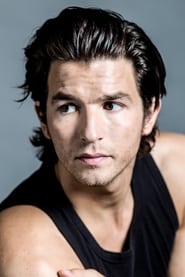
Matteo Simoni
as Luca Rossi
Matteo Simoni is a Belgian-Italian actor known for his versatility and depth in theater, TV, and film. He's won multiple awards and was named a Shooting Star in 2018 by the Berlinale Film Festival. He...

Violet Braeckman
as Marie Dumont
Violet Braeckman is a Belgian film and television actress known for her versatile screen work. She gained recognition for roles in series including Salamander, Over Water, F*** You Very Very Much, GR5...
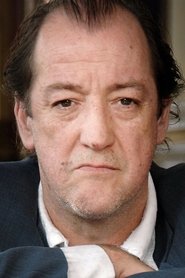
Josse De Pauw
as Marc Dumont
Josse De Pauw (born in Asse in 1952), is a versatile Belgian artist and actor. He is married to modern dance performer Fumio Ikeda.
Description above from the Wikipedia article Josse De Pauw, license...
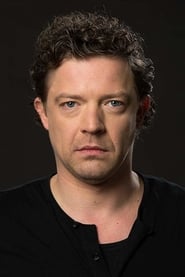
Ben Segers
as Filip Mertens
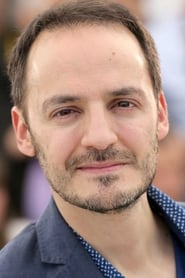
Fabrizio Rongione
as Albert Simons
Fabrizio Rongione (born 3 March 1973) is a Belgian screenwriter, film producer and actor..
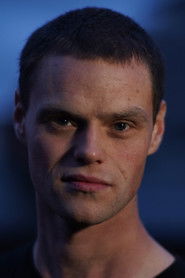
Bobby Schofield
as Alan Kennedy
Director
Teodora Ana Mihai