Blue Spring (2001)
Soon after being named the new leader of his high school's gang system, Kujo grows bored with the violence and hatred that surround him. He wants desperately to abandon his post… but his once-enviable position of power has a strange way of making him feel powerless.

Where to Watch
 Netflix
Watch
Netflix
Watch
 Amazon Prime Video
Watch
Amazon Prime Video
Watch
 Disney Plus
Watch
Disney Plus
Watch
 Max
Watch
Max
Watch
 Hulu
Watch
Hulu
Watch
 Paramount Plus
Watch
Paramount Plus
Watch
 Apple TV Plus
Watch
Apple TV Plus
Watch
 Peacock
Watch
Peacock
Watch
 Starz Apple TV Channel
Watch
Starz Apple TV Channel
Watch
 Eternal Family
Watch
Eternal Family
Watch
 Here TV Amazon Channel
Watch
Here TV Amazon Channel
Watch
 DisneyNOW
Watch
DisneyNOW
Watch
Rent / Buy
Rent
 Apple TV
Rent
Apple TV
Rent
 Google Play Movies
Rent
Google Play Movies
Rent
 Amazon Video
Rent
Amazon Video
Rent
 YouTube
Rent
YouTube
Rent
 Vudu
Rent
Fandango at Home
Rent
Vudu
Rent
Fandango at Home
Rent
Buy
Apple TV
Buy
Google Play Movies
Buy
Amazon Video
Buy
YouTube
Buy
Vudu
Buy
Fandango at Home
Buy
Cast

Ryuhei Matsuda
as Kujo
Ryuhei Matsuda (松田 龍平, Matsuda Ryūhei, born 9 May 1983) is a Japanese film and television actor. Matsuda's best known film roles include the young and desirable samurai Sōzaburō Kanō in Taboo and the...

Hirofumi Arai
as Aoki
Hirofumi Arai is a third-generation Zainichi Korean former actor..

Sousuke Takaoka
as Yukio
Sousuke Takaoka (高岡 蒼甫 Takaoka Sōsuke, born February 8, 1982) is a Japanese actor, known for his break-out performance in the controversial movie Battle Royale..

Yuta Yamazaki
as Ohta
Yūta Yamazaki (山崎 裕太, Yamazaki Yūta, real name Yūta Akiyama (秋山 裕太), March 8, 1981) is a Japanese actor, voice actor and talent. Born in Yuzawa City, Akita Prefecture, raised in Tokyo. Graduated from...

Shugo Oshinari
as Yoshimura
Shūgo Oshinari (忍成 修吾 Oshinari Shūgo?, born 5 March 1981 in Chiba, Chiba) is a Japanese actor best known for his roles in the controversial Battle Royale II: Requiem (2003) and Shunji Iwai's film, All...

Eita Nagayama
as Obake / Ghost
Eita Nagayama, formerly known as just EITA, is a Japanese actor most well-known for his roles in "Azumi", the "Water Boys" series, the "Nodame Cantabile" series, and the "Tada's Do-It-All House" serie...
Director
Toshiaki Toyoda
Similar Movies

The Lion King
1994

Forrest Gump
1994

Inglourious Basterds
2009
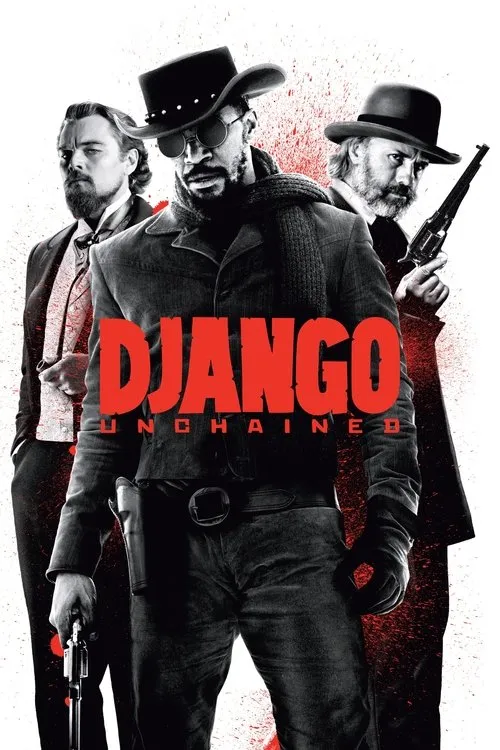
Django Unchained
2012

Fight Club
1999

Life Is Beautiful
1997

Joker
2019

The Wolf of Wall Street
2013

Arrival
2016
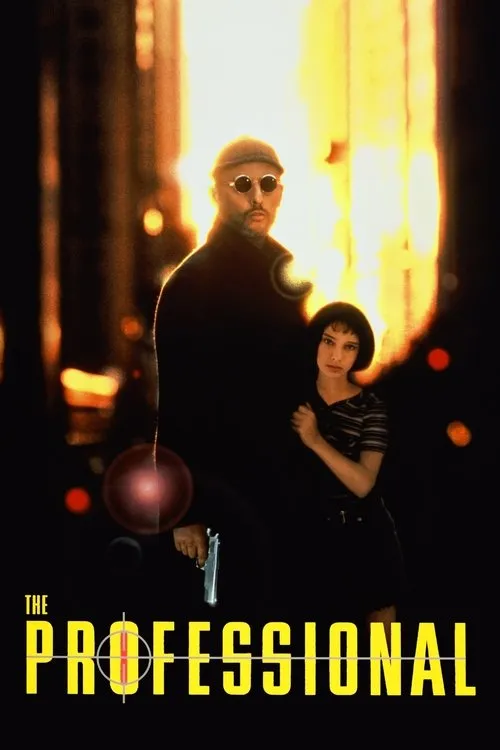
Léon: The Professional
1994

The Devil Wears Prada
2006

Gone Girl
2014

The Imitation Game
2014

Ex Machina
2015
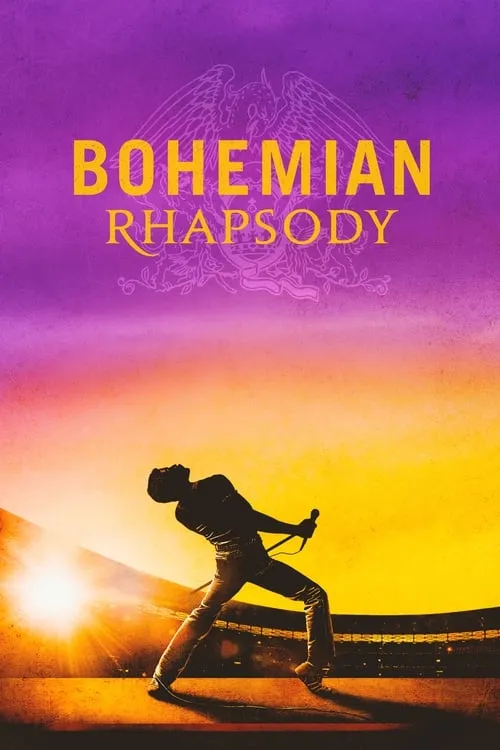
Bohemian Rhapsody
2018

The Grand Budapest Hotel
2014