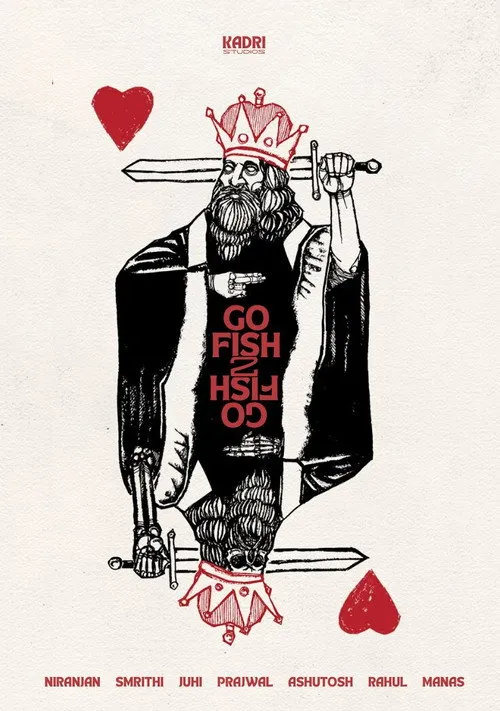
Go Fish 2 (2026)
Years after a game that was never meant to end, the cards are dealt once more. What begins as a casual night of UNO among strangers is quietly interrupted by a man who has seen the game before… and survived it. As familiar patterns begin to resurface, the players find themselves slipping into roles that aren’t theirs—voices, memories, and unfinished conflicts bleeding through each turn. Possession becomes participation. Guilt becomes gameplay. And the past refuses to stay buried. As the lines between player and pawn blur, one truth emerges: Some games don’t end. They wait.
Where to Watch
 Netflix
Watch
Netflix
Watch
 Amazon Prime Video
Watch
Amazon Prime Video
Watch
 Disney Plus
Watch
Disney Plus
Watch
 Max
Watch
Max
Watch
 Hulu
Watch
Hulu
Watch
 Paramount Plus
Watch
Paramount Plus
Watch
 Apple TV Plus
Watch
Apple TV Plus
Watch
 Peacock
Watch
Peacock
Watch
 Crunchyroll
Watch
Crunchyroll
Watch
 Tubi TV
Watch
Tubi TV
Watch
 Pluto TV
Watch
Pluto TV
Watch
 Plex
Watch
Plex
Watch
Rent / Buy
Rent
 Apple TV
Rent
Apple TV
Rent
 Google Play Movies
Rent
Google Play Movies
Rent
 Amazon Video
Rent
Amazon Video
Rent
 YouTube
Rent
YouTube
Rent
 Vudu
Rent
Fandango at Home
Rent
Vudu
Rent
Fandango at Home
Rent
Buy
Apple TV
Buy
Google Play Movies
Buy
Amazon Video
Buy
YouTube
Buy
Vudu
Buy
Fandango at Home
Buy






Director
Manas Goel